
Our Mission
Patronato San Xavier funds and directs ethical conservation, conducts scientific research, and conveys the significance of Mission San Xavier del Bac, a National Historic Landmark in the community of Wa:k, part of the Tohono O’odham Nation.
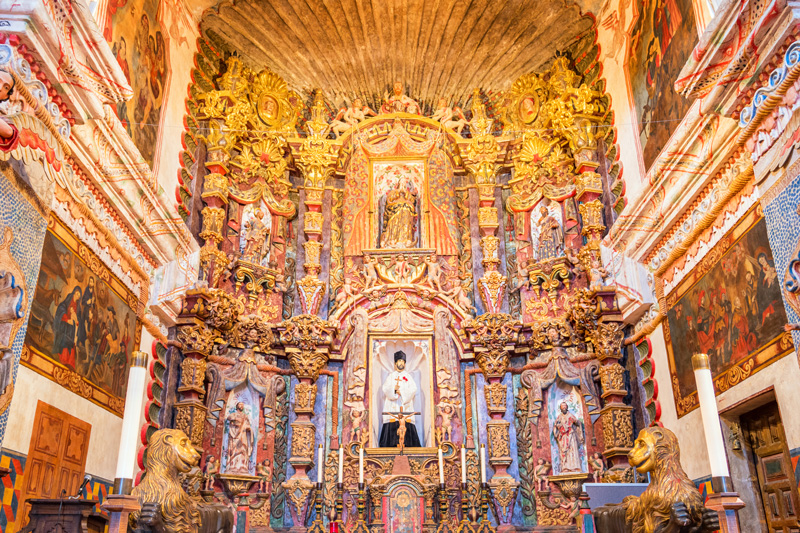
Take a Self-Guided Virtual Tour of Mission San Xavier
To take 360-degree self-guided tour of the Mission, click on the link below, then scroll down past the photo of the Mission to the section that says “Tour Inside”. Once there, click on the white circles with black arrows to follow the tour through the Church, the Mortuary, and the Museum Rooms. Patronato San Xavier extends many thanks to Visit Tucson, who have kindly allowed us to present this virtual tour of Mission San Xavier on our website.
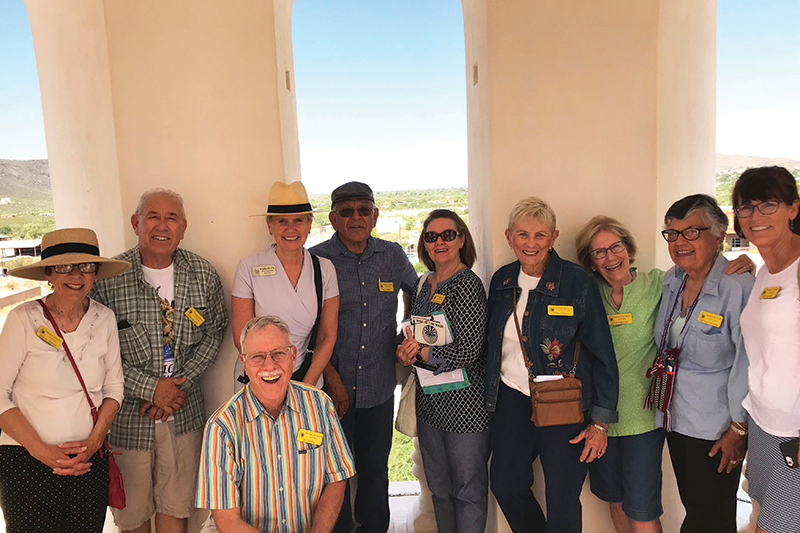
Free Docent tours return to the Mission!
COVID closed the Patronato San Xavier’s popular docent lead tours almost three years ago but starting this month, they are back. Because sections of the mission remain closed, the thirty minute tours share information outside the church about the people who populated the borderlands area, the arrival of Father Kino and the building of the present church.
Tour times vary by season. To see current times for Public Tours, click on the “Learn More” button below.
Special Group Tours and School Tours remain temporarily suspended.
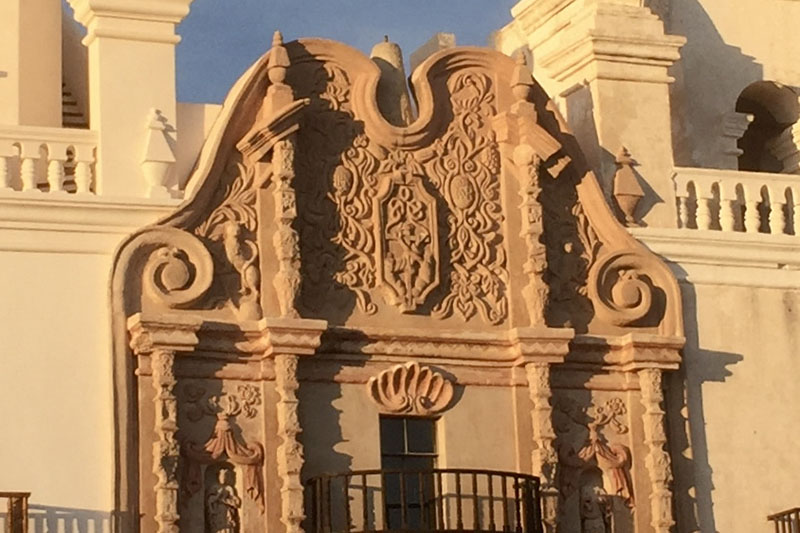
The Next Priority Project
With the conservation of the art work in the highest sections of the Mission (the dome and the octagonal drum) completing this month, we are now narrowing focus to the next major project, the iconic facade. Already a number of research phase are underway that will inform the protocols to be used. These will be tested on a sample panel of the facade in the fall. The scope of the project is being expanded; the estipite columns are now likely to be replaced crafting ones that more closely align with the photographic evidence fro the 1870’s. The current balcony will also be replaced with a replica again that will draw on the earliest photographic evidence. We now feel that both the cost estimates and the timing of this major project will need to change and will be contingent on the discoveries that become apparent as research study reveals additional information.
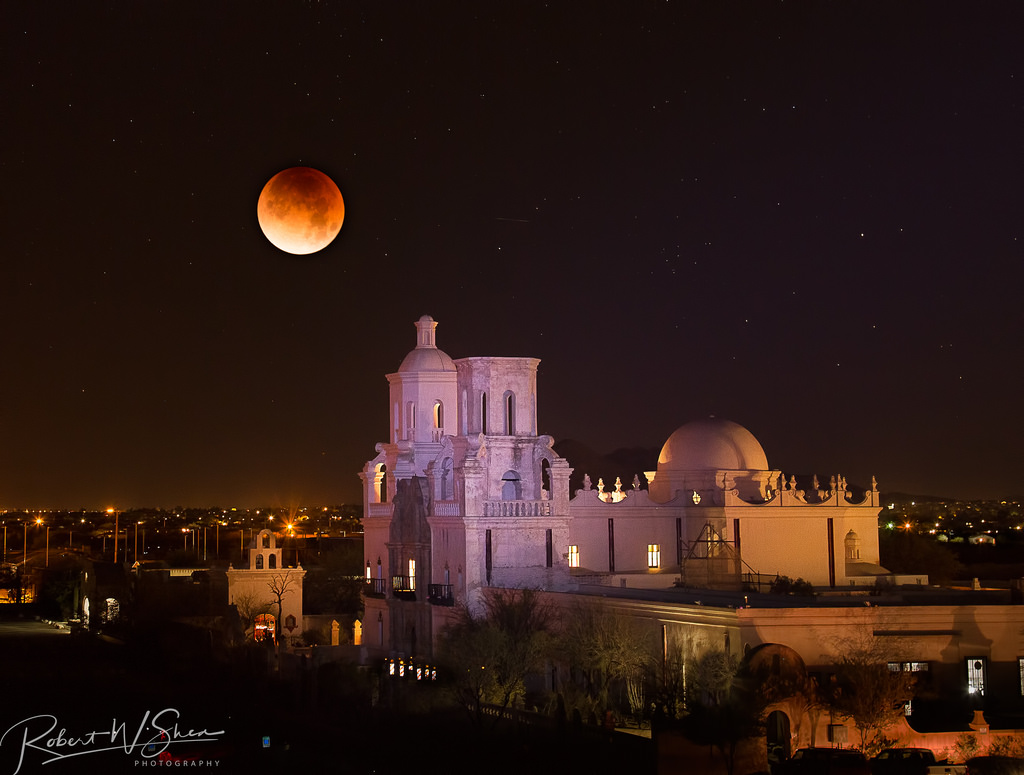
Our thanks to Robert Shea for this incredible shot of the blood moon over Mission San Xavier del Bac on January 31, 2018.
In The News
San Xavier Mission’s unique Nativity scene gets manger makeover
Joseph’s broken leg has healed, and the angel has his wings back at San Xavier del Bac. Just in time for Christmas, worshipers at the 240-year-old church can say a prayer in front of the Nativity and rock the baby Jesus in his cradle, thanks to restoration work on the...
Two New Priority Projects
With the East Tower project completed in April, attention is now turning to two new large-scale projects; conservation of the interior art in the high dome and conservation of the iconic facade.
Close look at Mission San Xavier’s intricate entrance reveals surprises
By Henry Brean | Arizona Daily Star
Art conservators found something staring back at them when they climbed the scaffolding last month to study the façade of Southern Arizona’s most famous church. As it turns out, the doomsday mouse at San Xavier del Bac has round, metal nails for eyes. That was news to Tim Lewis and Matilde Rubio, who have worked on artwork at the mission for decades.